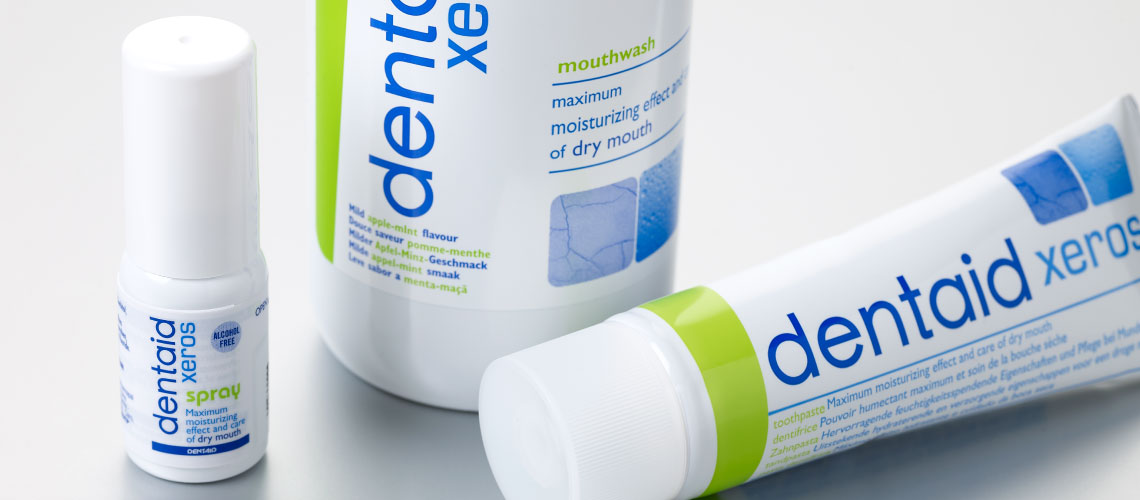
Estudos Clínicos
Eficácia do spray de ácido málico a 1%
Eficácia do spray de ácido málico a 1% – xeros dentaid spray no controlo da xerostomia induzida por fármacos.





Eficácia do spray de ácido málico a 1% – xeros dentaid spray no controlo da xerostomia induzida por fármacos.

To compare salivary pH changes and stimulation efficacy of two different gustatory stimulants of salivary secretion (GSSS) in patients with primary Sjögren syndrome.
Um ensaio clínico, publicado na revista científica Journal of Dental Research, demonstra que enxaguar a boca durante um minuto com colutórios com CPC reduz a quantidade de vírus infeciosos na saliva, tais como o SARS-CoV-2.
Chlorhexidine (CHX) mouth rinse/spray can still be considered the gold standard in the chemical prevention of plaque formation and development of gingivitis.
To assess the clinical and microbiological efficacy of a 0.05% chlorhexidine and 0.05% cetyl-pyridinium chloride mouth rinse in supportive periodontal care (SPC) in patients with inadequate plaque control.

To evaluate the clinical and microbiological activity of a new mouth rinse formulation, used as an adjunct to oral hygiene, for patients in supportive periodontal care.
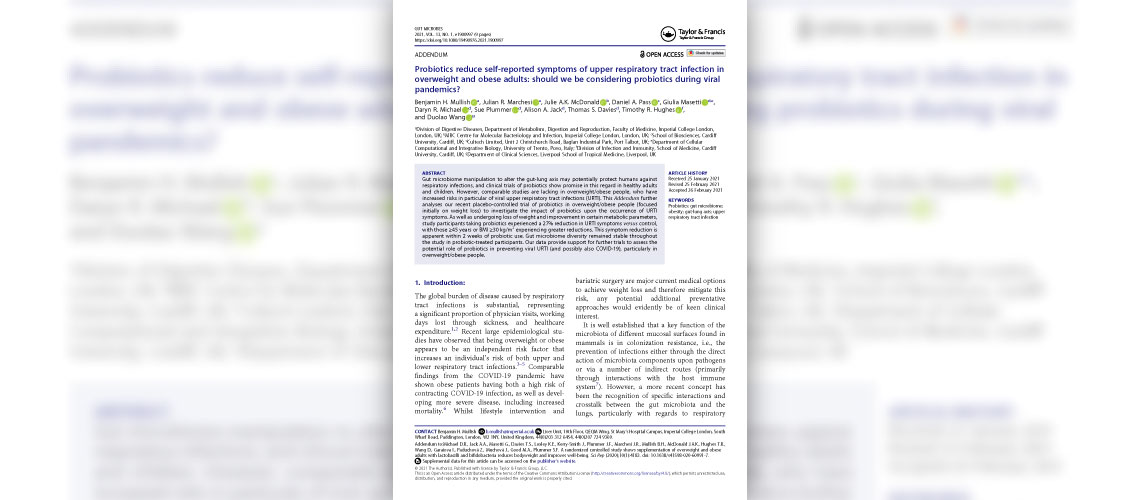
Gut microbiome manipulation to alter the gut-lung axis may potentially protect humans against respiratory infections, and clinical trials of probiotics show promise in this regard in healthy adults and children.
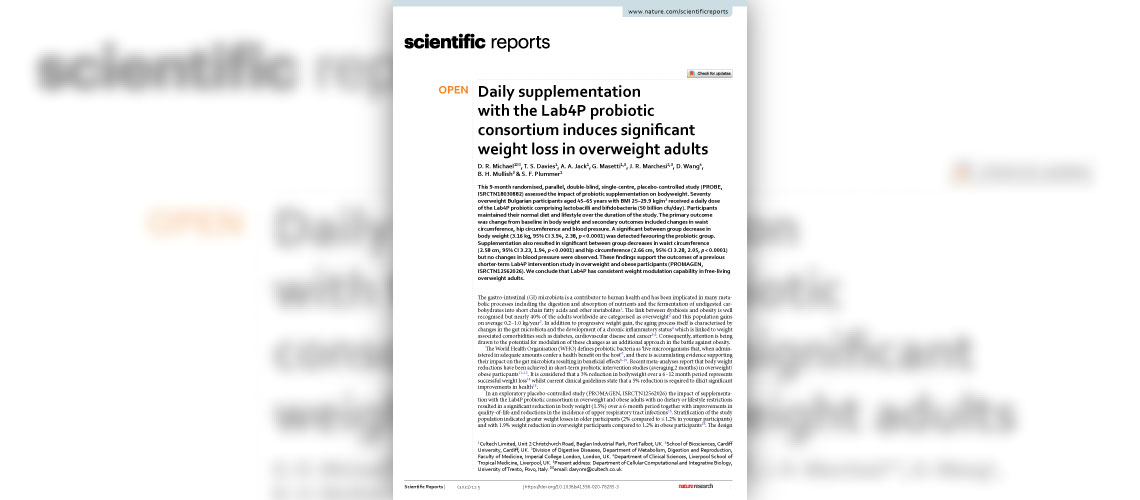
This 9-month randomised, parallel, double-blind, single-centre, placebo-controlled study (PROBE, ISRCTN18030882) assessed the impact of probiotic supplementation on bodyweight.

In a double-blind, randomised, parallel-group, placebo-controlled study, healthy school children aged 3-10 years received a probiotic based supplement daily for 6 months to assess the impact on the incidence and duration of upper respiratory tract infection (URTI) symptoms.
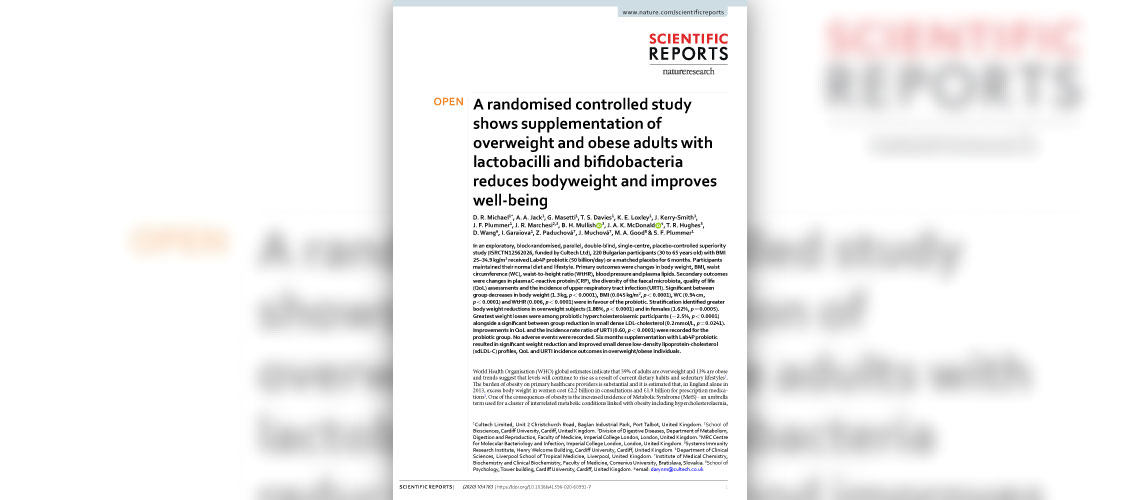
In an exploratory, block-randomised, parallel, double-blind, single-centre, placebo-controlled superiority study (ISRCTN12562026, funded by Cultech Ltd), 220 Bulgarian participants (30 to 65 years old) with BMI 25–34.9kg/m2 received Lab4P probiotic (50 billion/day) or a matched placebo for 6 months.
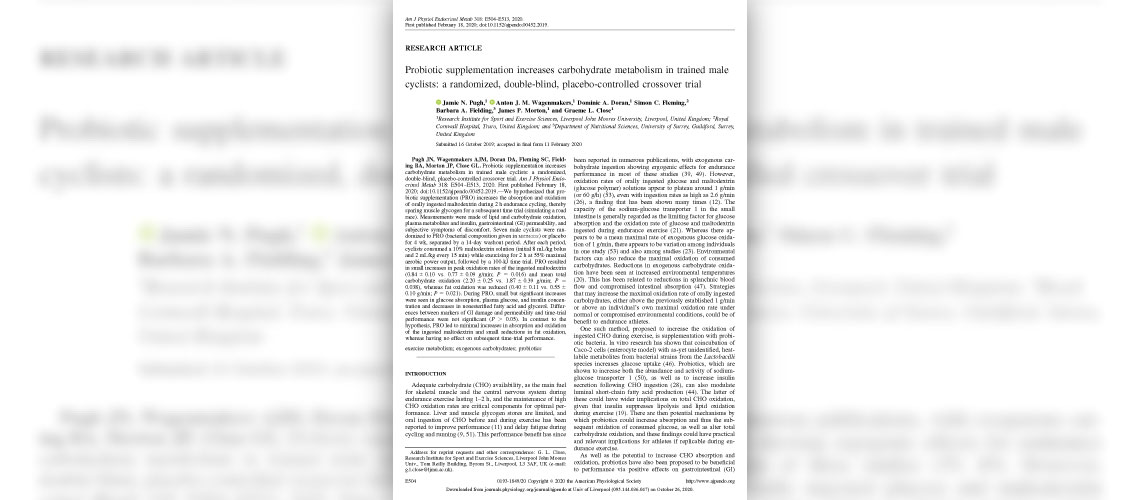
We hypothesized that probiotic supplementation (PRO) increases the absorption and oxidation of orally ingested maltodextrin during 2 h endurance cycling, thereby sparing muscle glycogen for a subsequent time trial (simulating a road race).
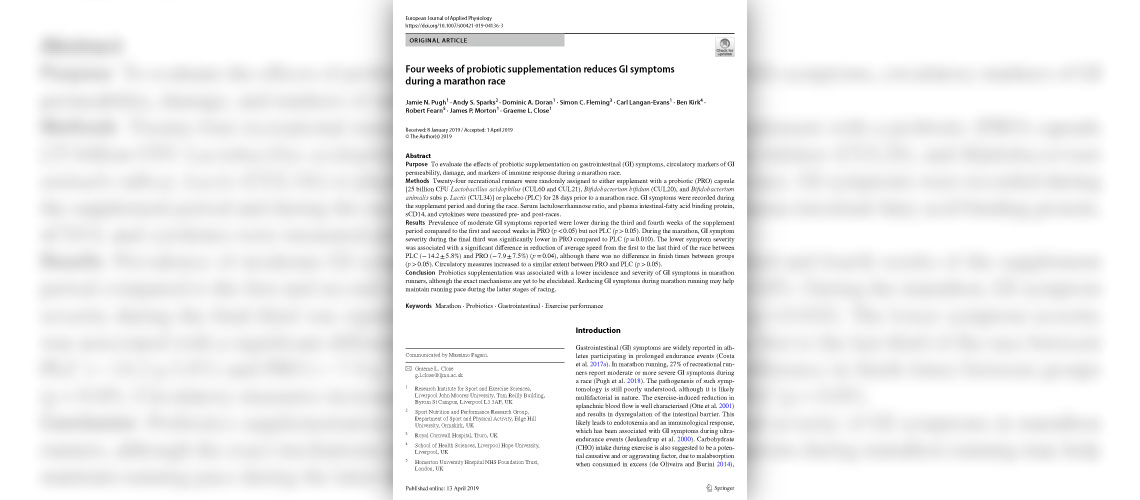
To evaluate the effects of probiotic supplementation on gastrointestinal (GI) symptoms, circulatory markers of GI permeability, damage, and markers of immune response during a marathon race.
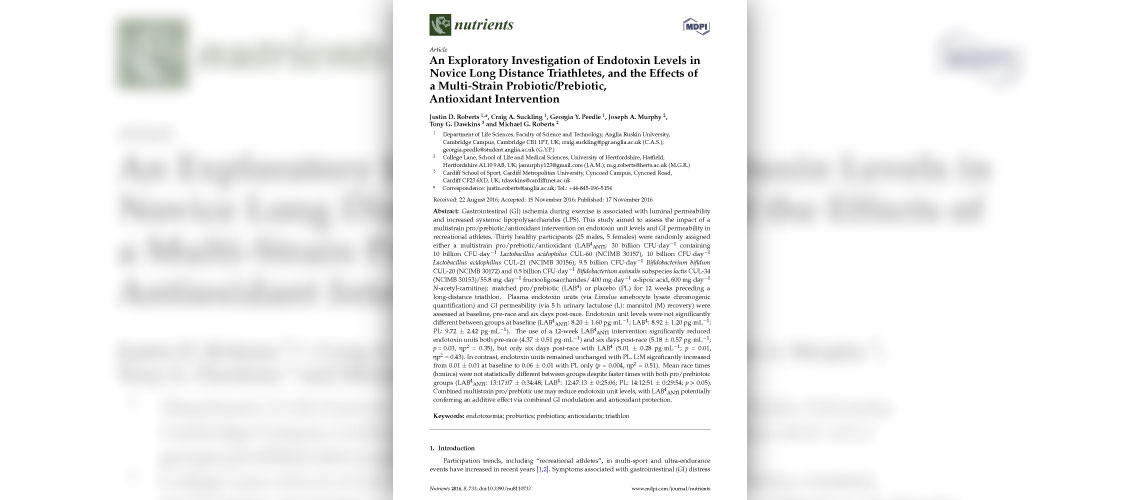
Gastrointestinal (GI) ischemia during exercise is associated with luminal permeability and increased systemic lipopolysaccharides (LPS). This study aimed to assess the impact of a multistrain pro/prebiotic/antioxidant intervention on endotoxin unit levels and GI permeability in recreational athletes.
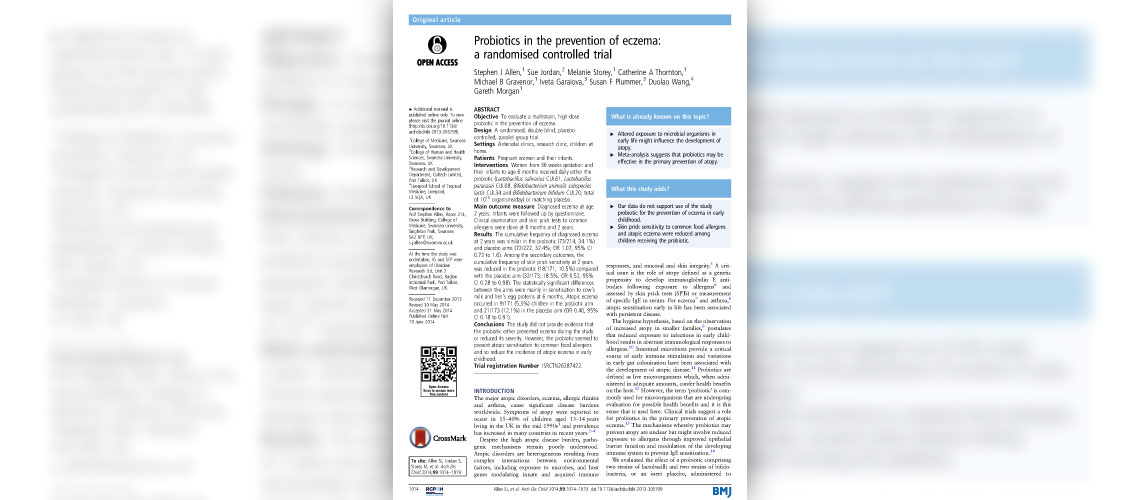
Objective: To evaluate a multistrain, high-dose probiotic in the prevention of eczema. Design: A randomised, double-blind, placebo-controlled, parallel group trial. Settings: Antenatal clinics, research clinic, children at home.

This pilot study investigates the efficacy of a probiotic consortium (Lab4) in combination with vitamin C on the prevention of respiratory tract infections in children attending preschool facilities.
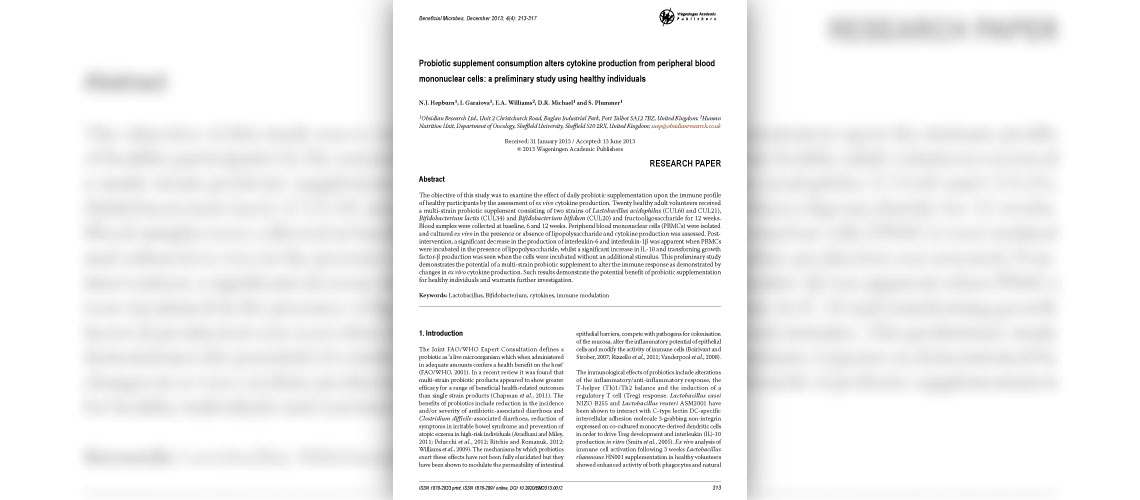
The objective of this study was to examine the effect of daily probiotic supplementation upon the immune profile of healthy participants by the assessment of ex vivo cytokine production.
Lactic acid bacteria and bifidobacteria are increasingly being administered to pregnant women and infants with the intention of improving health. Although these organisms have a long record of safe use, it is important to identify any adverse effects in potentially vulnerable populations.
The Lactic Acid Bacteria (LAB) are important components of the healthy gut flora and have been used extensively as probiotics. Understanding the cultivable diversity of LAB before and after probiotic administration, and being able to track the fate of administered probiotic isolates during feeding are important parameters to consider in the design of clinical trials to assess probiotic efficacy.